
Spring season is around the corner! In anticipation of some much-needed outdoor adventures – especially after some time in this pandemic – I’ll highlight one of our most memorable backpacking experiences in Virginia’s wilderness.
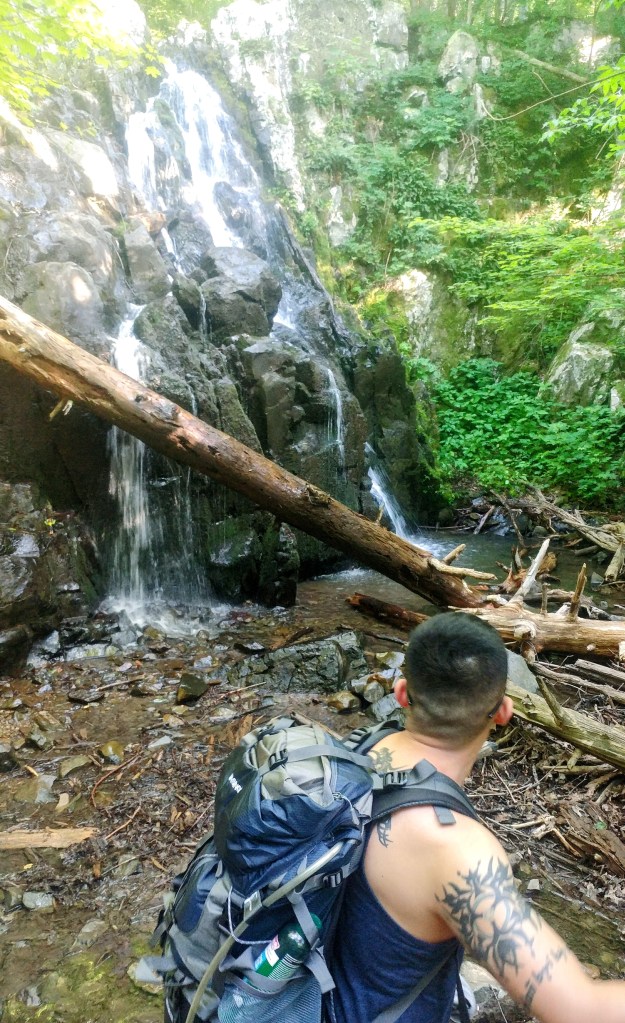
Ever since my Indiana Jones-inspired adventure in Peru trekking the Inca trail for four days only to reach the breathtaking Sun Temple overseeing Machu Picchu in 2014, my soul had been craving for some new thrilling wilderness adventures. Having realized we’ve never backpacked in Virginia, we’d figure we give backcountry camping a try! We ended up settling with Over Run Falls and Beecher Ridge, located within the Shenandoah National Park. The moderately strenuous trail is on a 12- 14 mile loop with a scenic waterfall (highest waterfall in the park at 93 feet), a couple of water holes, cascades, and a wilderness ridge along the route. The National Park Services (NPS) provides a list of suggested backcountry trips you can choose from, ranging from beginner to advanced backcountry camping. NPS also provides a helpful guide that you can print and use for the trip – we were especially glad we printed out a copy (which we recommend) as the guide instructions came in super helpful throughout our journey. If you do plan on doing your own backcountry camping in the Shenandoah National Park, do take some time to go over and read the requirements to not only getting a permit (it’s free) but also the regulations of what you can and cannot do (such as campfires are NOT permitted & Leave No Trace principles).
Also, just as important is planning on what to bring on your trip. Remember, you will need to pack light as you’ll be bringing all the essentials to get you through the night! Here’s what we brought with us (evenly distributed between the both of us):
- Extra clothing; e.g., socks, underwear, shirts, hoodie, light jacket
- Sleeping bag, light, durable tent, inflatable foam pad
- First aid kit, headlamp (s), flashlight (s), lighter (s), trash bags, baby wipes, rope, extra batteries, power charger, ziplock bags, small tarp, blanket, knife
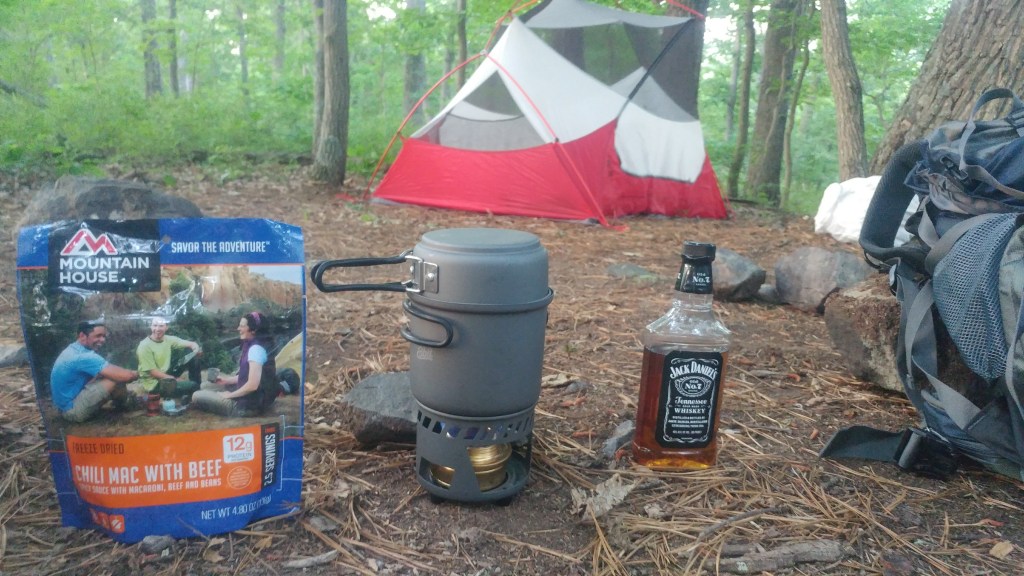
- We purchased an Esbit 5-piece cook set with a burner stove
- We brought freeze-dried food; recommend these from Mountain House; we brought a can of spam and oatmeal packs
- Important: Water! We had two water-filled camel backpacks in each of our rucksacks – enough for a one night trip
- Download a copy of the map guide to the trail on your phone
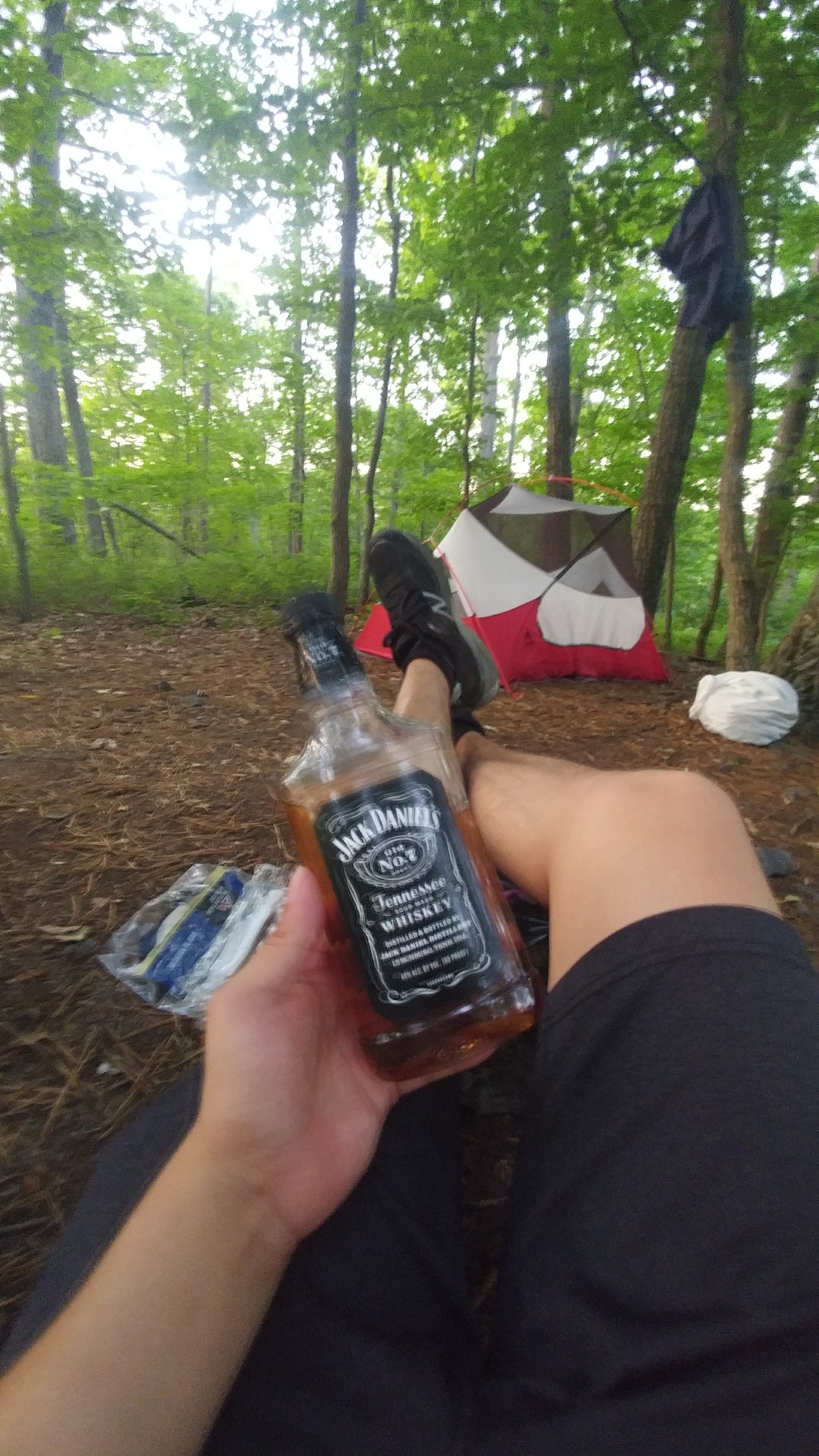
- A small bottle of Jack Daniels (or your preference, of course) for relaxation 😉
Remember, adjust this list to your needs but also include the essentials. It is important to plan ahead on what to bring. There are many websites online you can google that can help you on what essentials to pack.
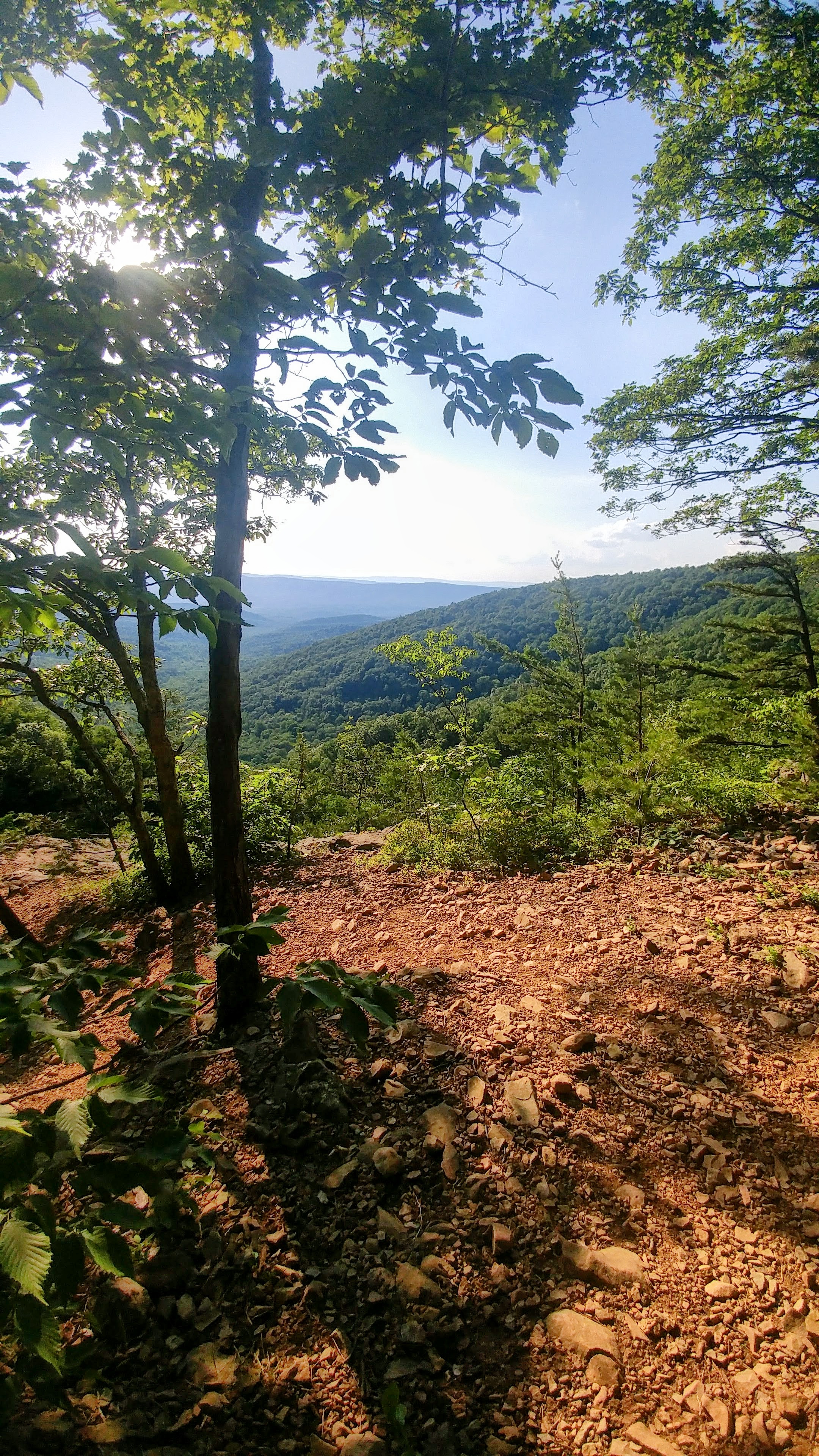
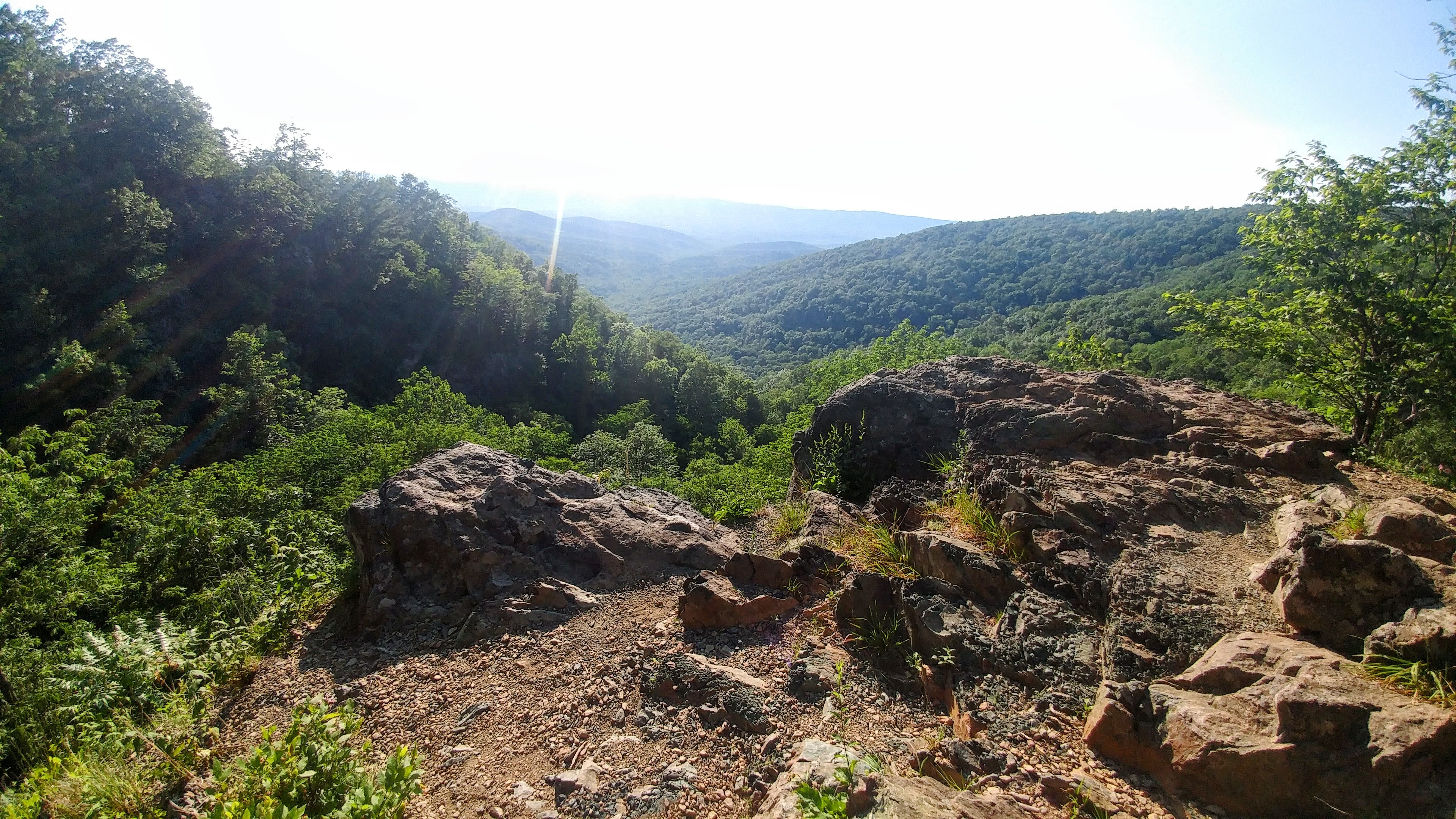
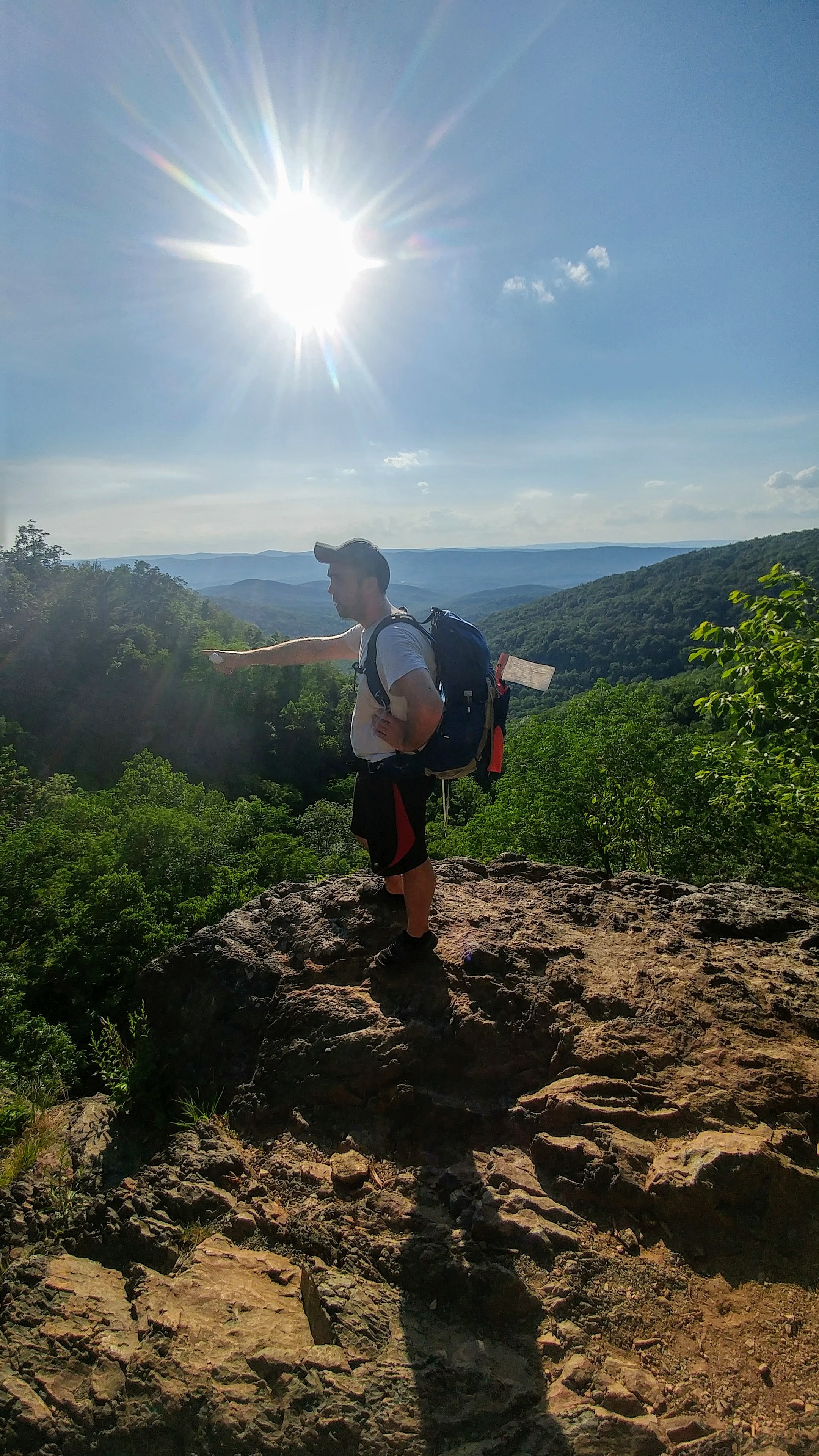
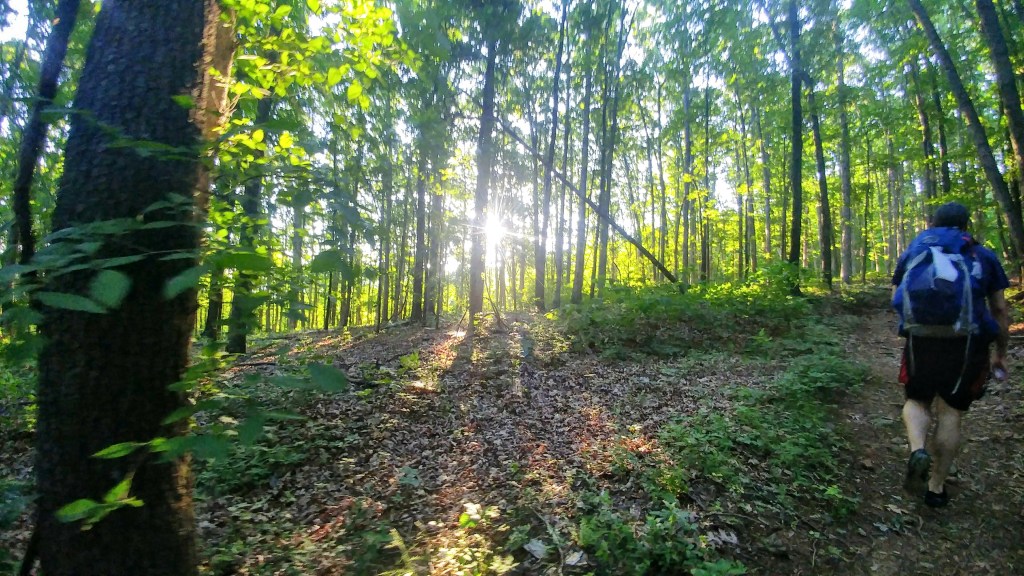
The trail starts at the 21 Mile Post. There’s parking at the entrance. Don’t forget to place your permit on the rear-view mirror of your vehicle lest you want to get ticketed! You can do either a clockwise or counter-clock-wise hike on the circuit. We recommend doing the counter-clockwise circuit – we began clock-wise, and while we reached the waterfall and cascades on the way, the slow, gradual incline was brutal, to say the least ha. The views along the route were stunning, and the beautiful weather on that day only made it more memorable for us.
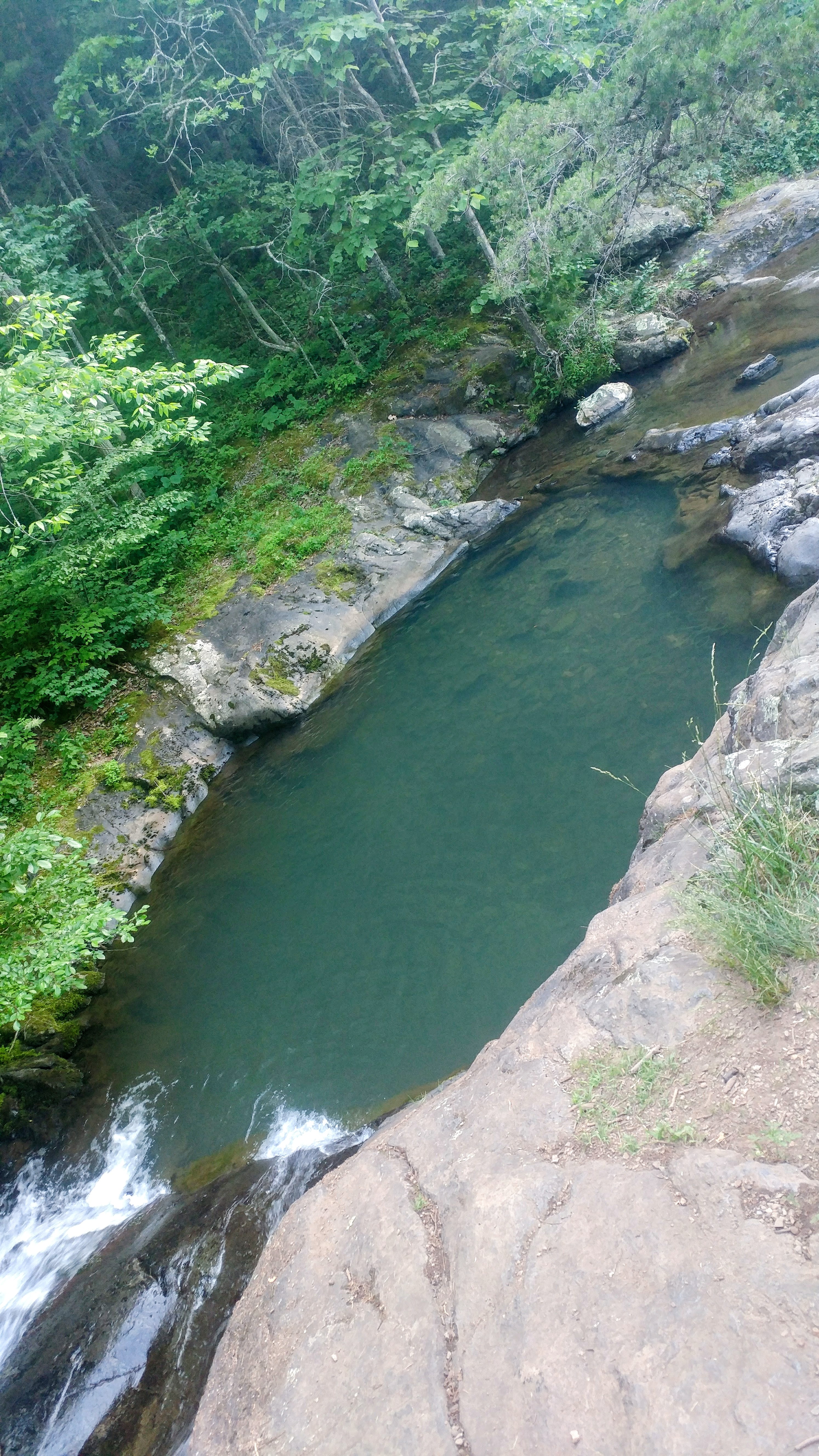
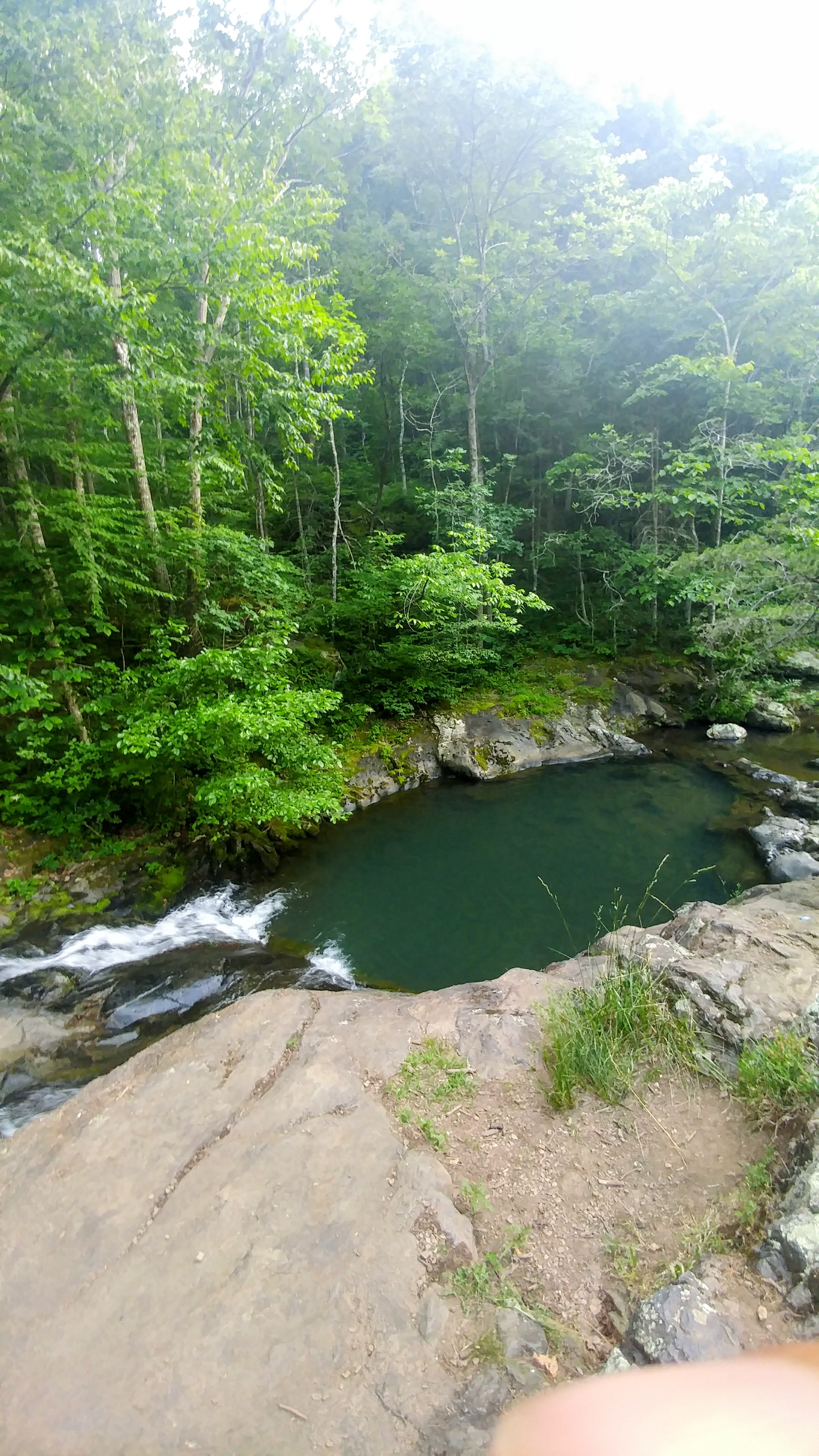
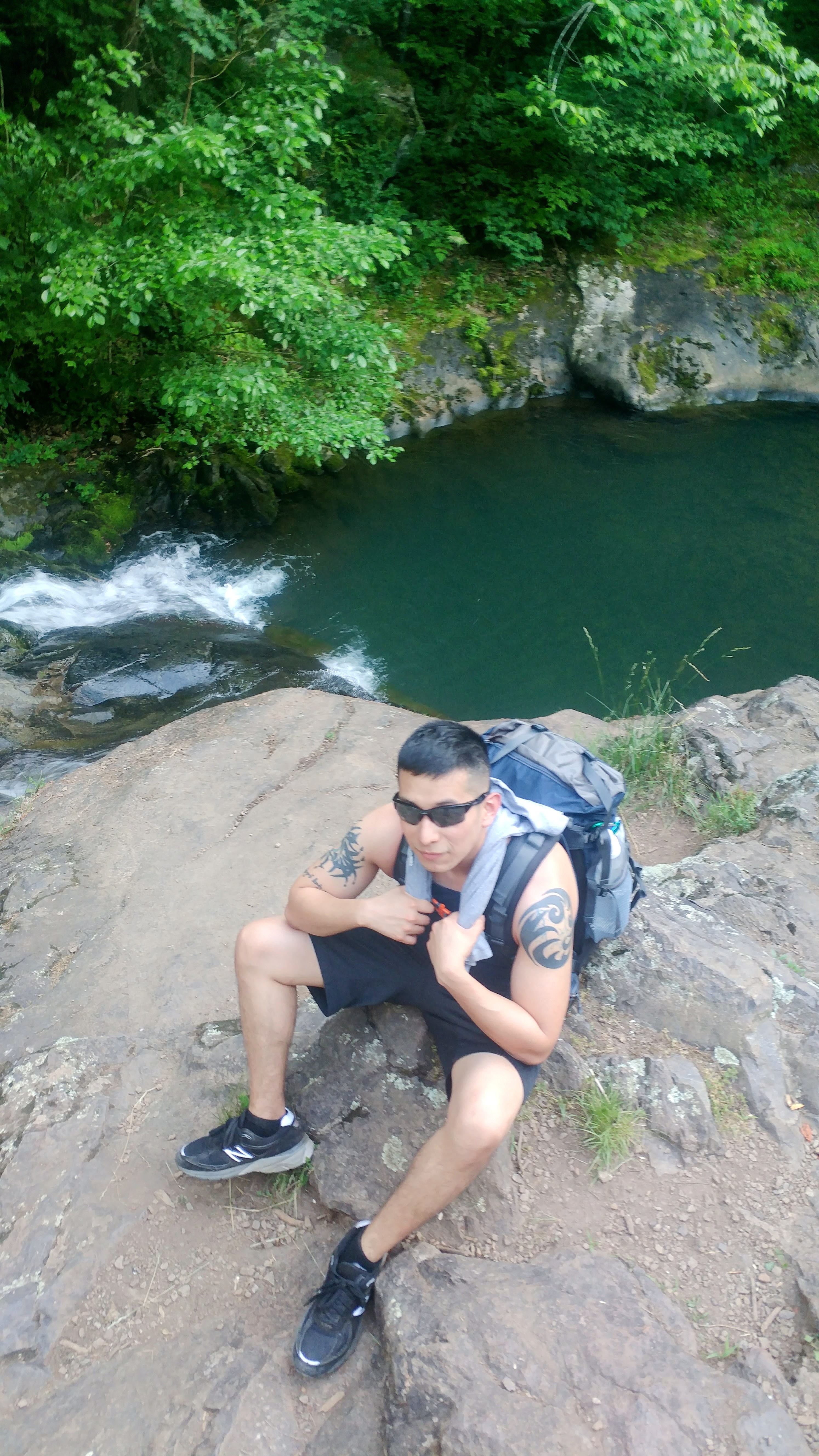
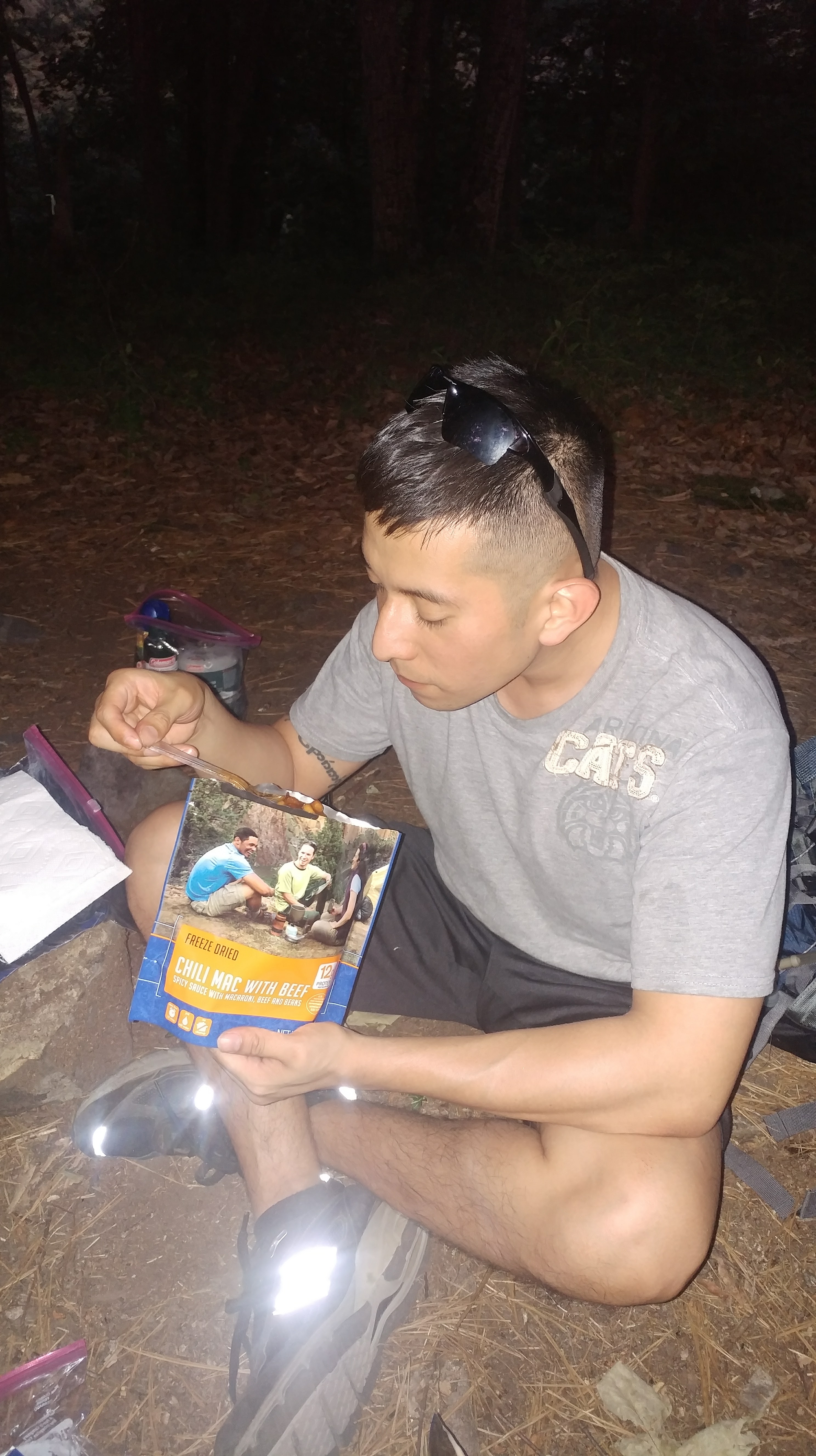
Sadly, we did not get enough time to take a dip in the water holes we found as dusk was settling in, and we had to find a spot to start setting camp (and get some down-time while there was still light out). After a very strenuous incline that seemed to never end, we finally found a nice spot to set our campsite and made ourselves a delicious freeze-dried dinner. I had the chili mac and beef, and he had a spaghetti and meatball! Trust me when I say that after a rough 6.2-mile hike, those frozen-dried pre-made dinner packs were terrific! The Jack Daniels helped alleviate some of the pain from the hike, of course. 😊 The night was relatively quiet as there was not a single human within our vicinity. Although, sometime around 1am, there seemed to be (what sounded like) a big critter walking through the ravines below from our campsite heading towards our direction. The noise got very close to us to the point that it worried us enough to stick our heads out of the tent and yell some loud noises to scare off the critter – it worked. We were later left pondering what it could have been. He says it was possibly a black bear or a white-tailed deer. Perhaps, it was the ever-elusive bigfoot, eh? We’ll never know!
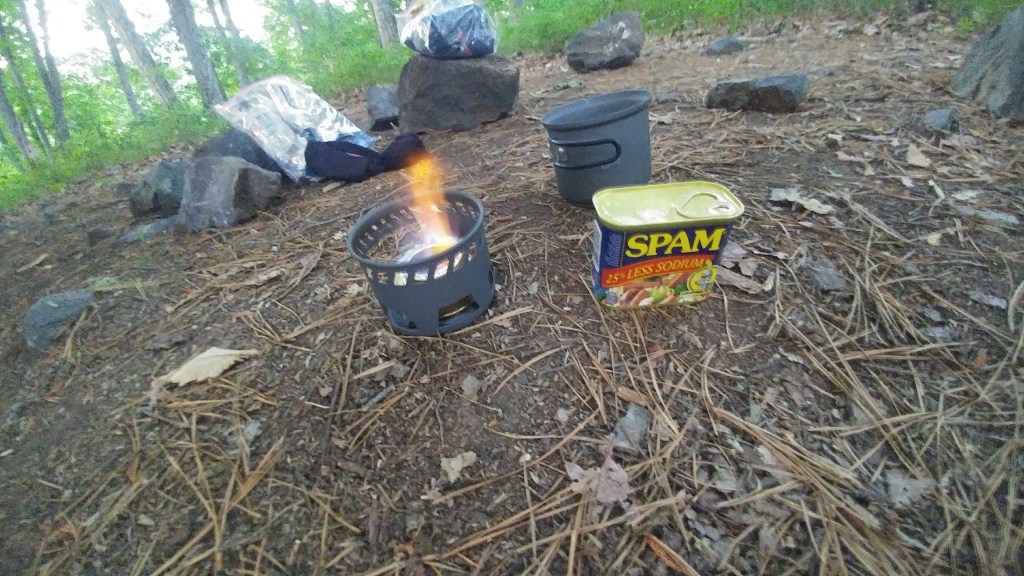
The next day, we made ourselves oatmeal and fried up some spam for breakfast. So, the great thing about starting clock-wise on the circuit was that the second half of the trip was all downhill! The downward hike definitely made the hike back to the parking lot a little more enjoyable ha. Overall, it was a great experience backcountry camping in the Shenandoah National Park. The park rangers were also especially super helpful (from getting our permit and advising us the internal checks they conduct to ensure all backcountry campers are safe). The resources the National Park provided were exceptional. There are so many other trails to explore within the park. This backcountry camping trip was the last one we did before the pandemic hit. We will definitely be venturing out to these distinct spots as spring 2021 arrives!
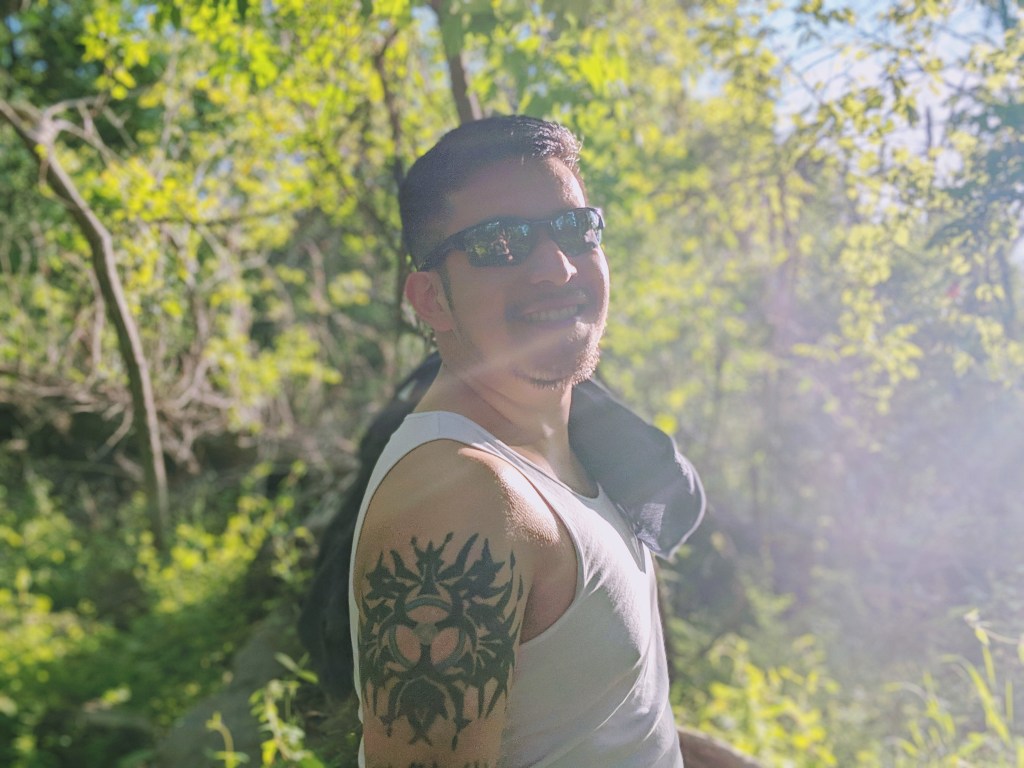
Thanks for reading!
 Boots On Wild Trails